Loading…
SKU: AW-1044190830
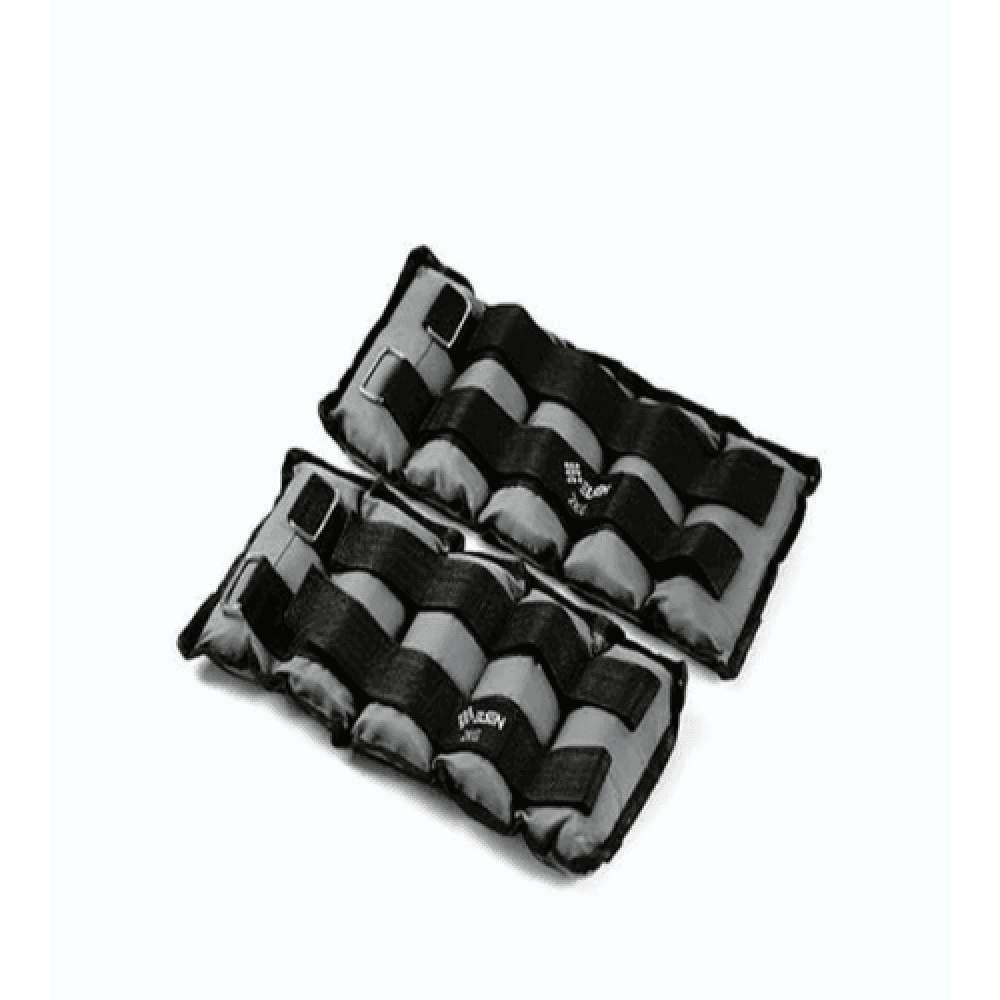
Wrist and Ankle Sand Weights are wearable weights used to add light, progressive resistance to strength, motor-control, and rehabilitation exercises. They…
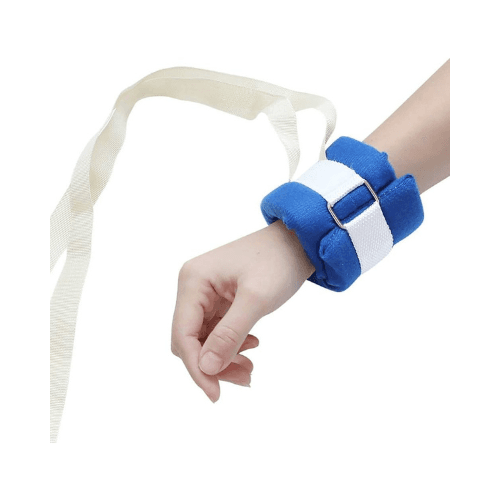
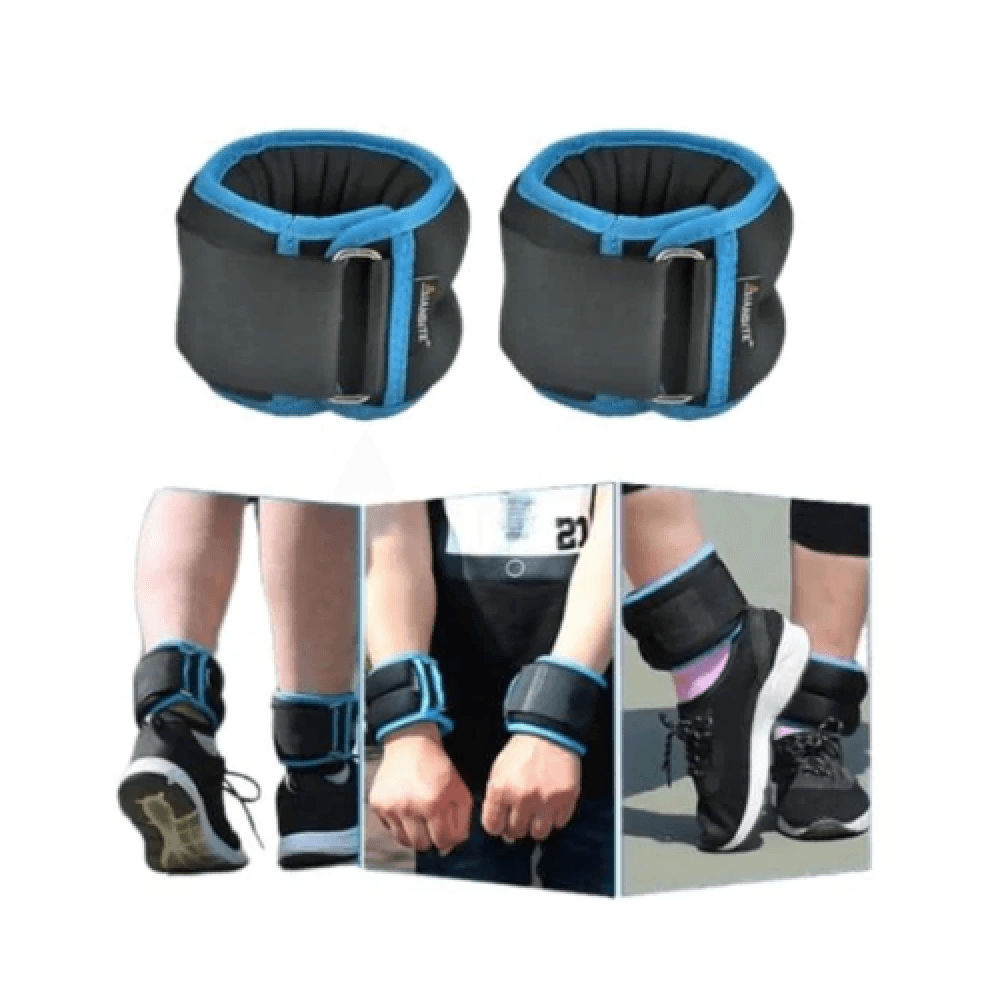
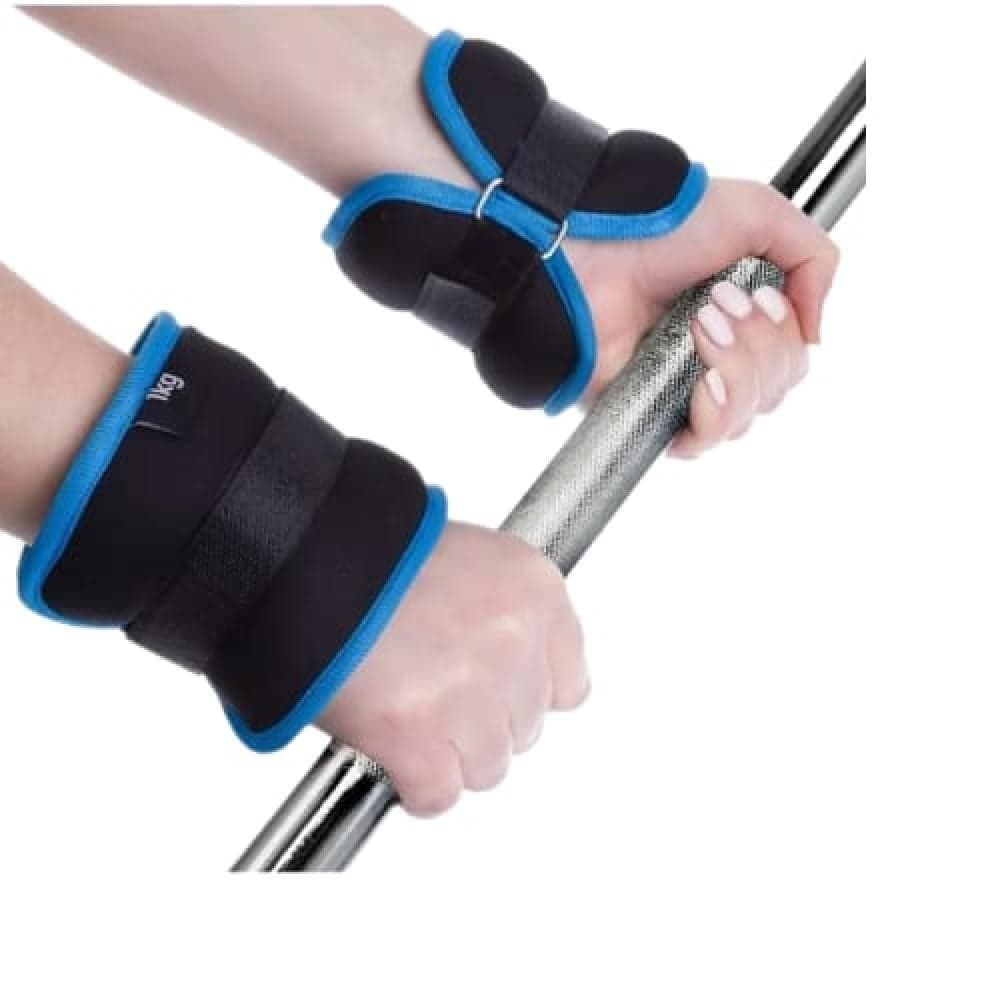
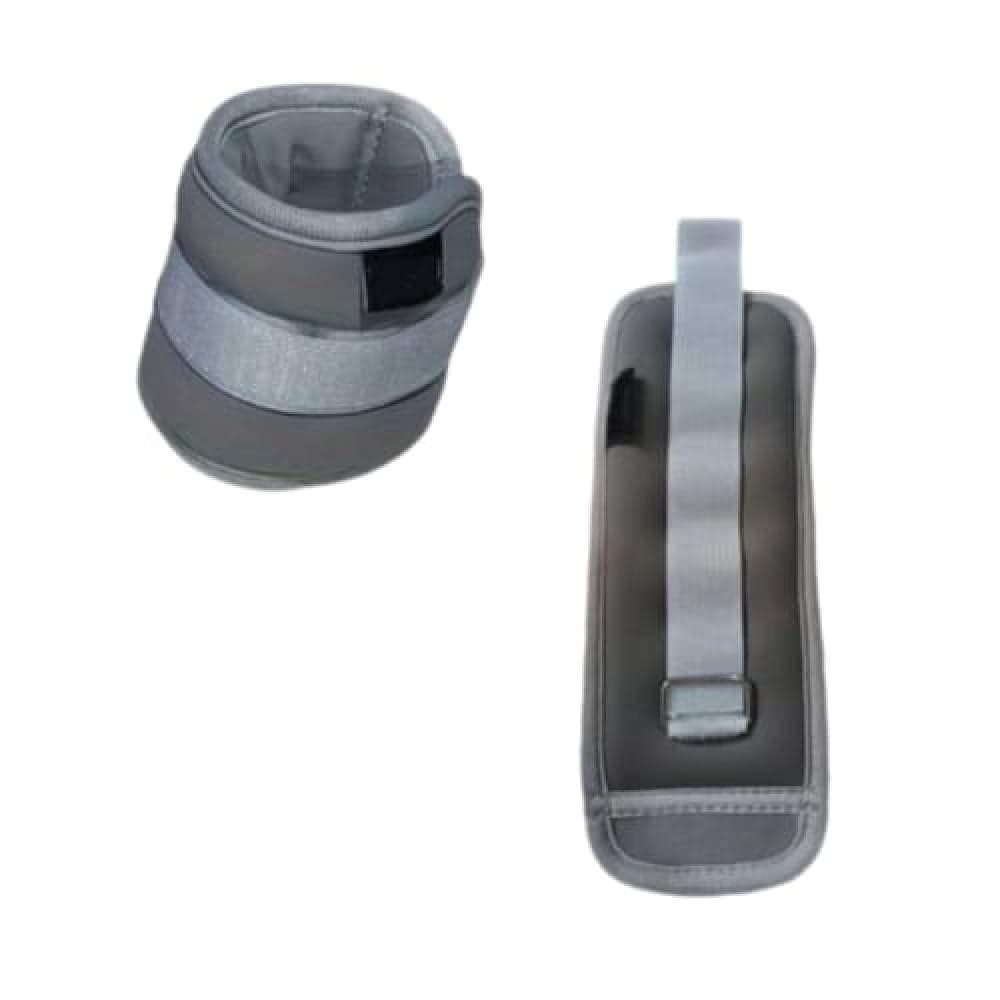
Wrist and Ankle Sand Weights are wearable weights used to add light, progressive resistance to strength, motor-control, and rehabilitation exercises. They secure around the wrist or ankle with fastening straps and can be incorporated into controlled movements in physical therapy, rehabilitation, sports training, and home programs.
Adding a small amount of wearable weight increases load on the working muscles and can support goals related to strength, muscular endurance, and movement control.
Weights can be secured around the ankle during controlled lower-limb exercises such as leg raises and muscle-strengthening drills, as guided by the appropriate program.
Wrist weights may be used for arm and shoulder exercises when light resistance is required, especially for movements that do not require gripping a dumbbell.
Clinicians may integrate wearable weights into selected rehabilitation programs to provide gradual resistance, according to the individual’s condition and movement capacity.
Can be used in strength, endurance, and movement drills with an appropriate weight selection and exercise technique.
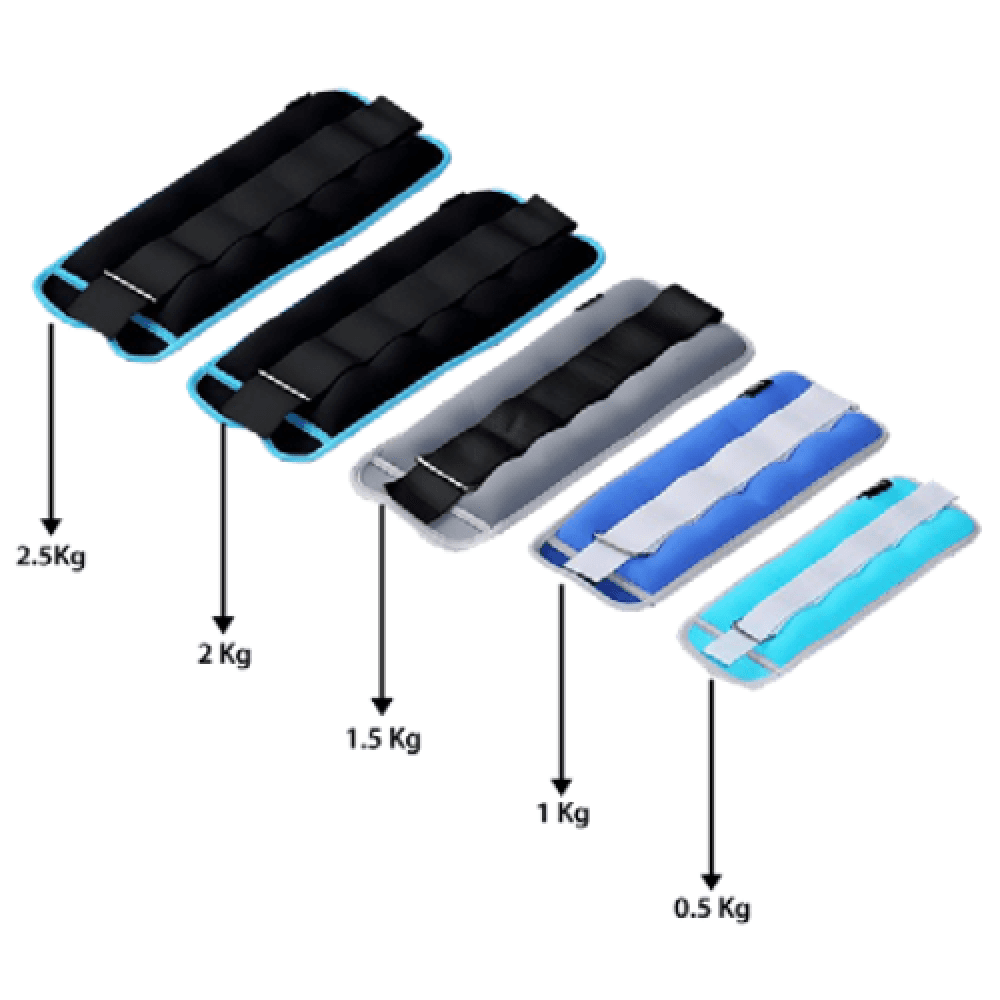
Sand weights are used in some physical therapy and motor-rehabilitation programs to add resistance to specific exercises. The clinician determines the suitable weight, repetitions, duration, and placement based on the user’s condition and program goals. It is advisable to start with light resistance and increase gradually as needed, rather than beginning with a high load.
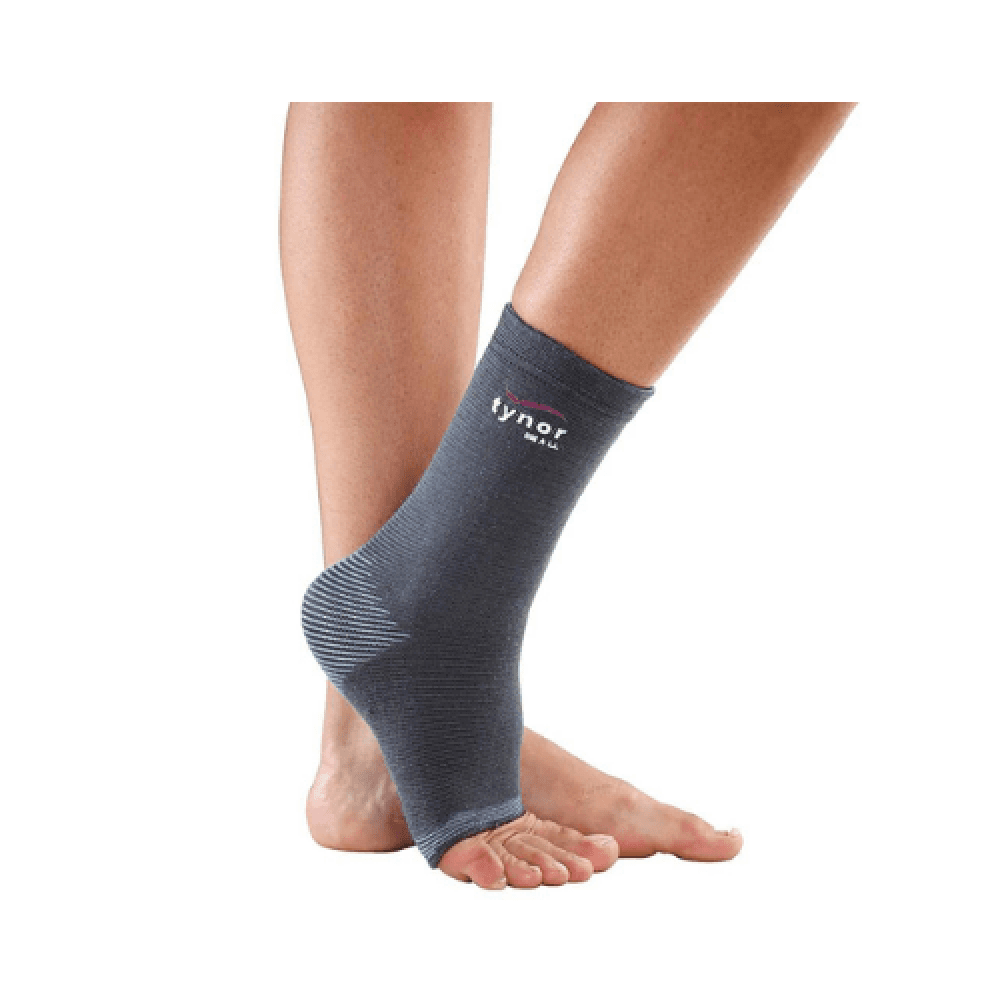
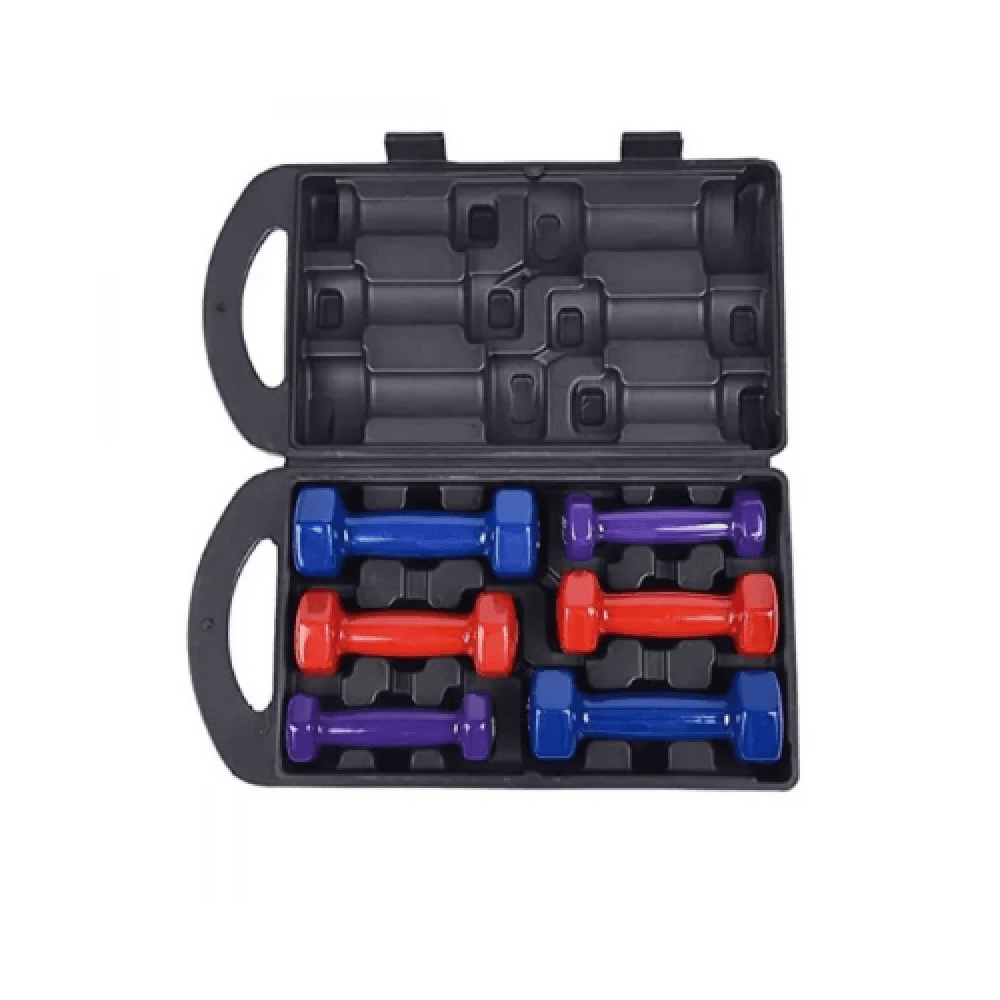
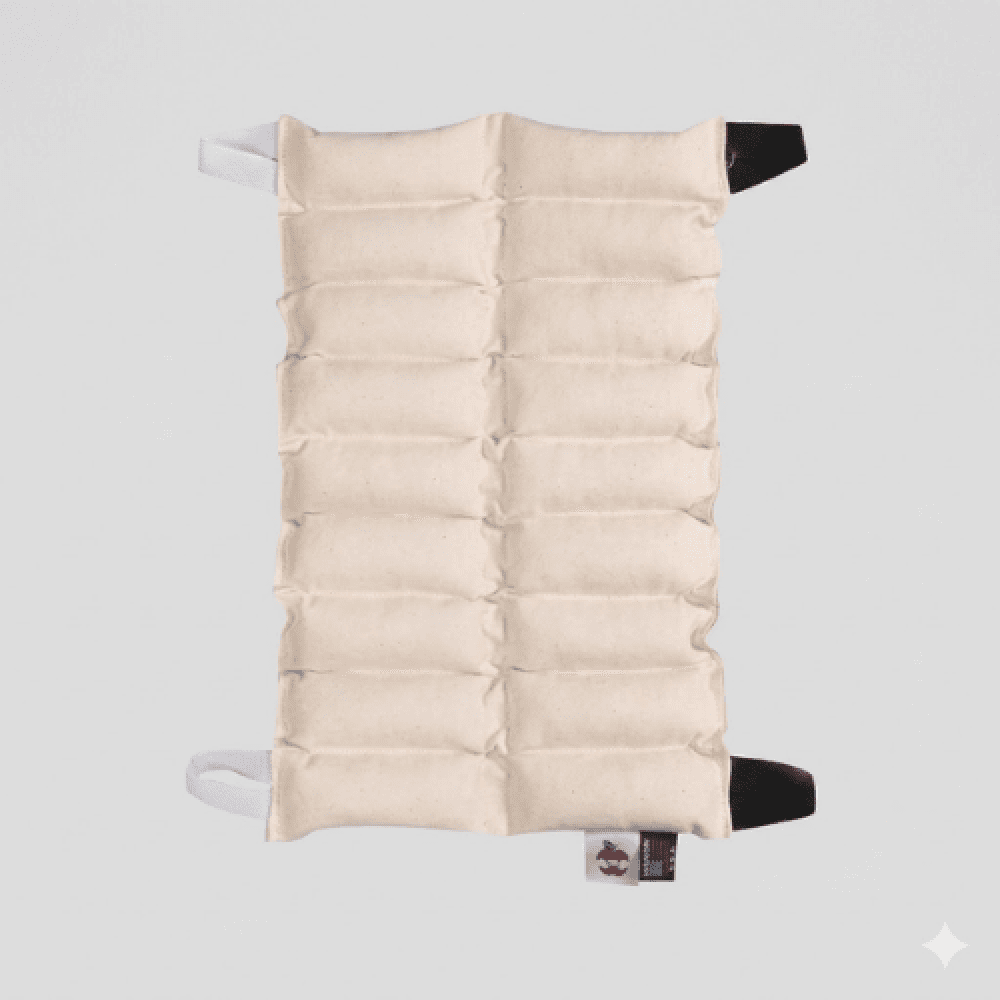
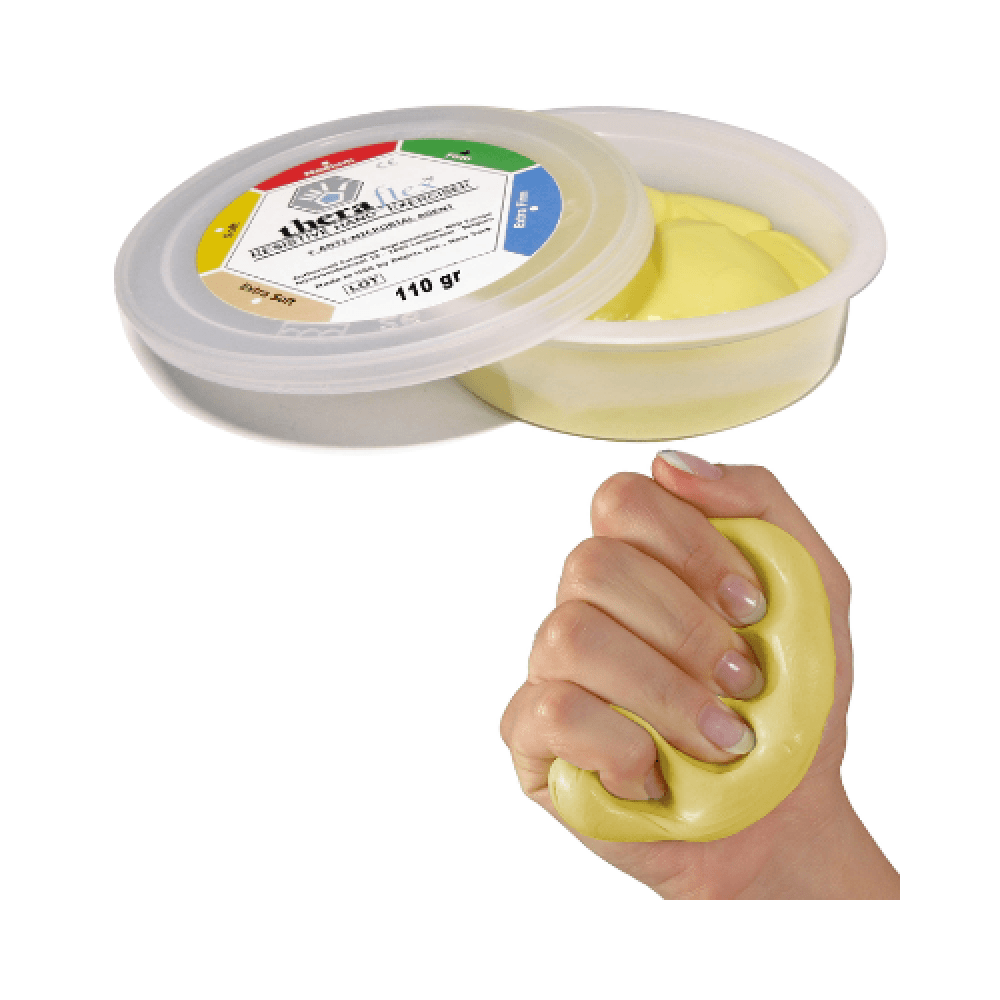
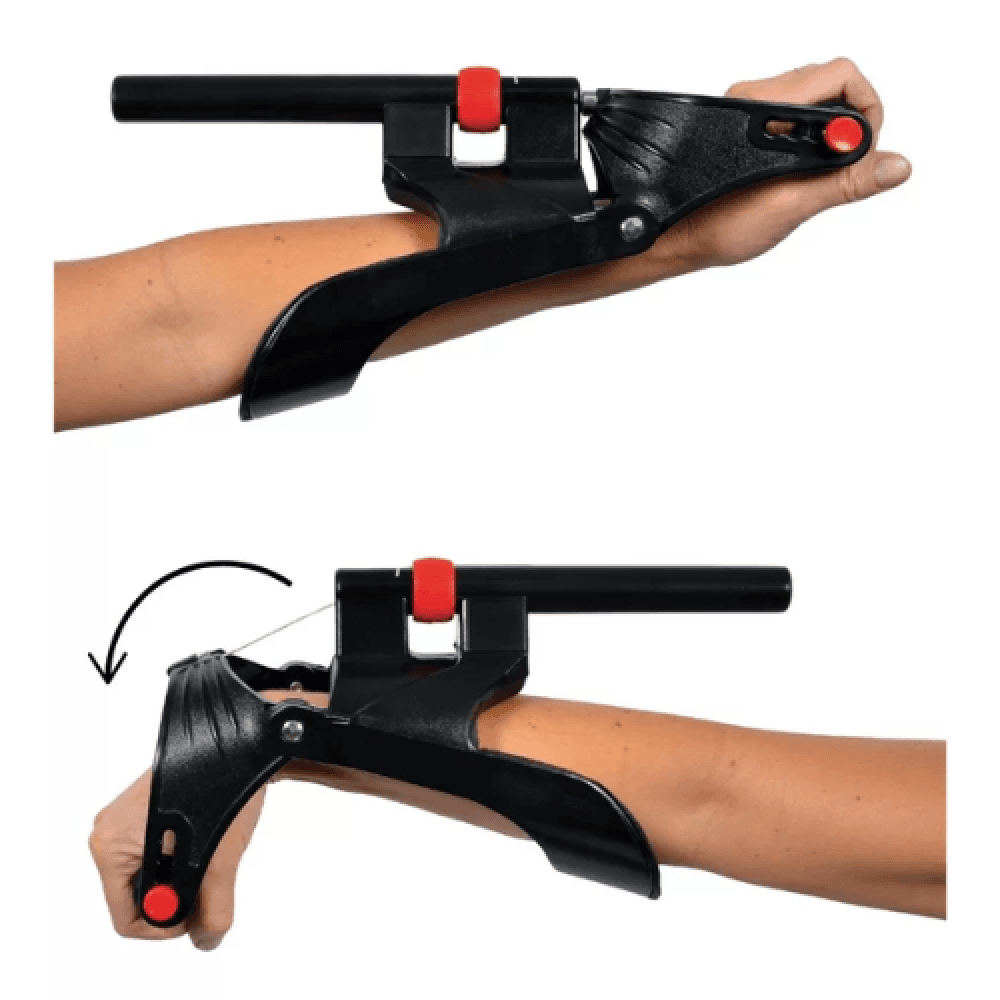
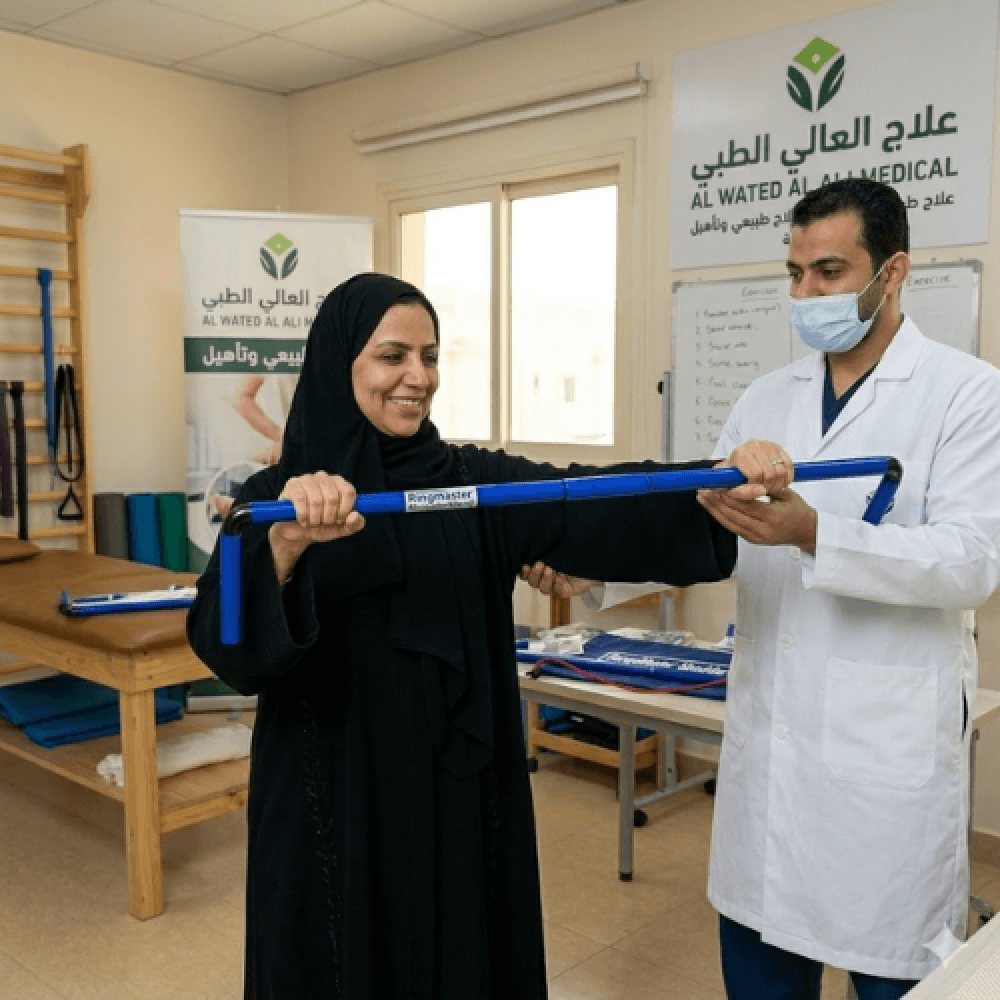
These weights are a simple addition to the equipment setup for physical therapy and rehabilitation settings. They can be used alongside tools such as:
Avoid selecting heavy weights solely to increase difficulty; excessive load can raise stress on joints and tendons and increase the risk of strain or injury.
Wearable weights can be used in some movement activities, but ankle weights during walking or running are not suitable for everyone, as added distal load may alter gait and increase stress on joints and surrounding tissues. Prefer controlled, specific exercises—especially for rehabilitation—and follow clinical recommendations when there is injury or movement impairment.
Light weights may be used in selected pediatric motor-rehabilitation programs, with the weight and application matched to the child’s age and abilities. For children with balance challenges, movement difficulties, or those in a rehabilitation program, supervised use by a physical therapist is recommended.