Pediatric Hinged Knee Brace, E-KN851
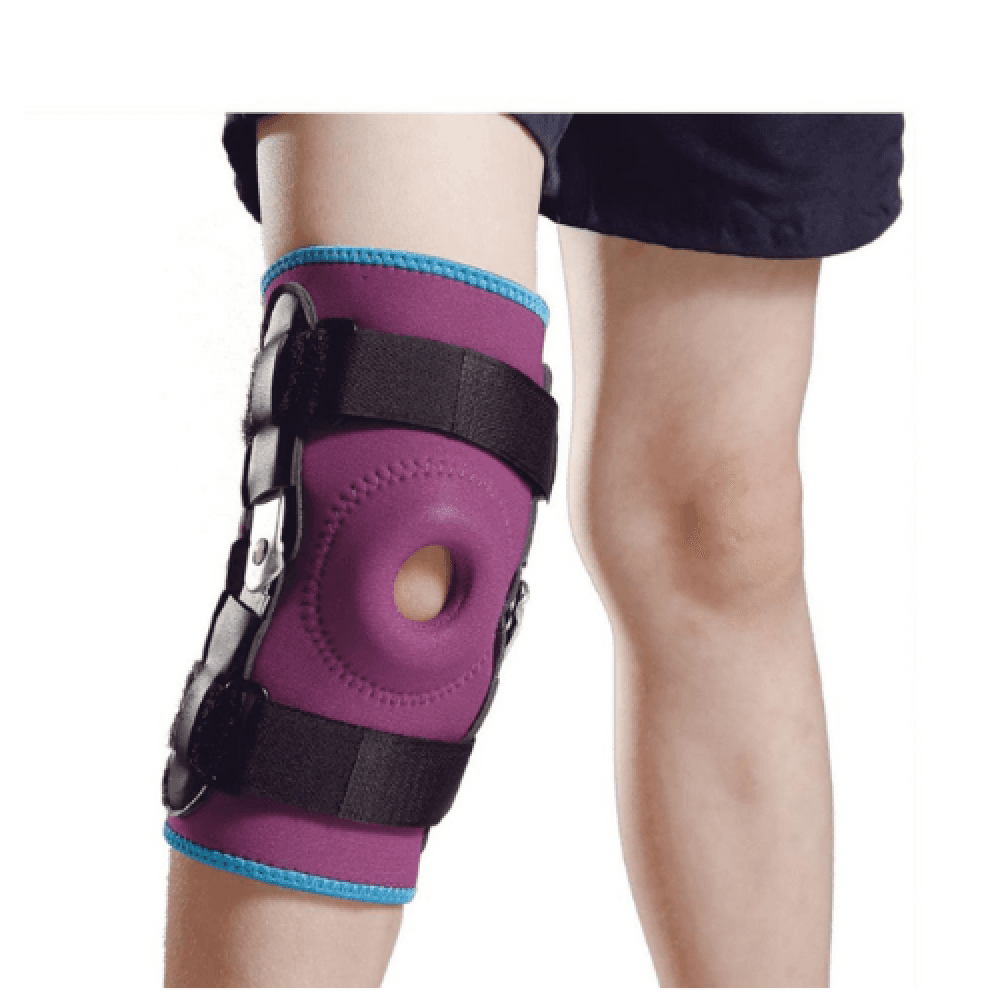
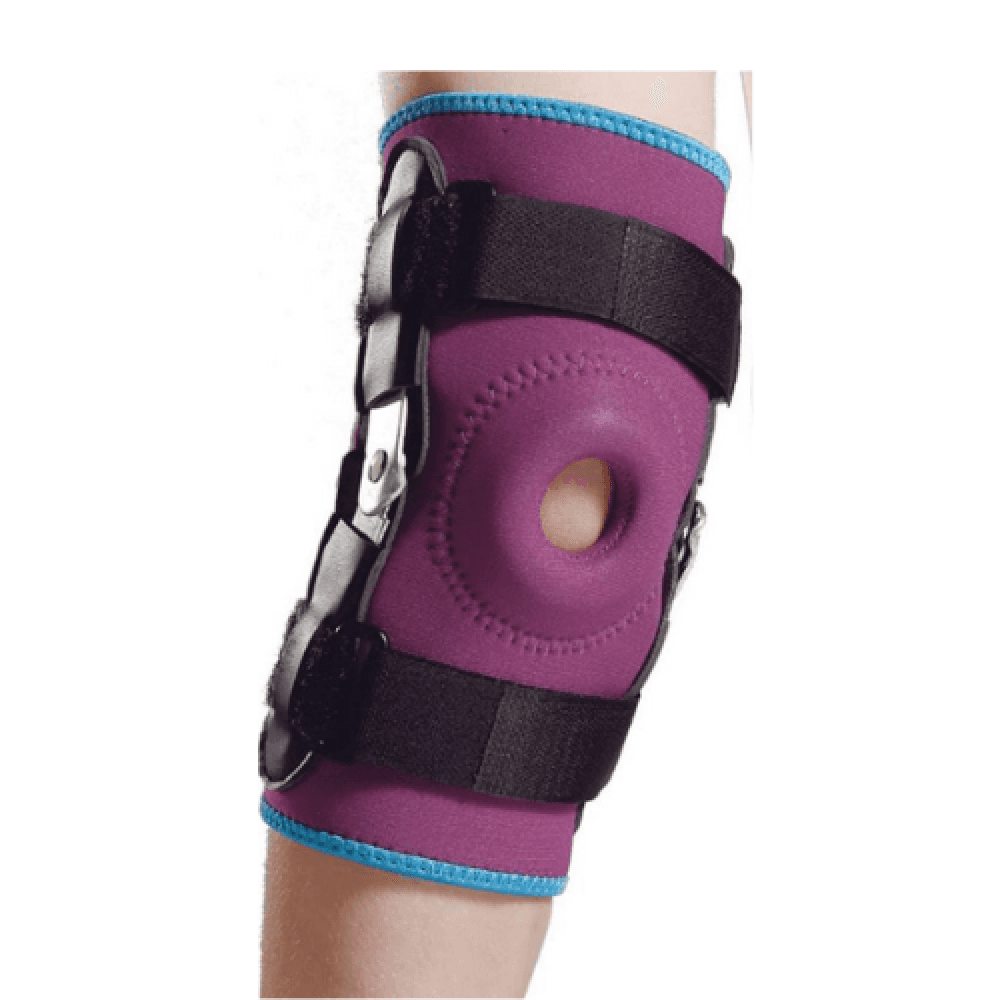
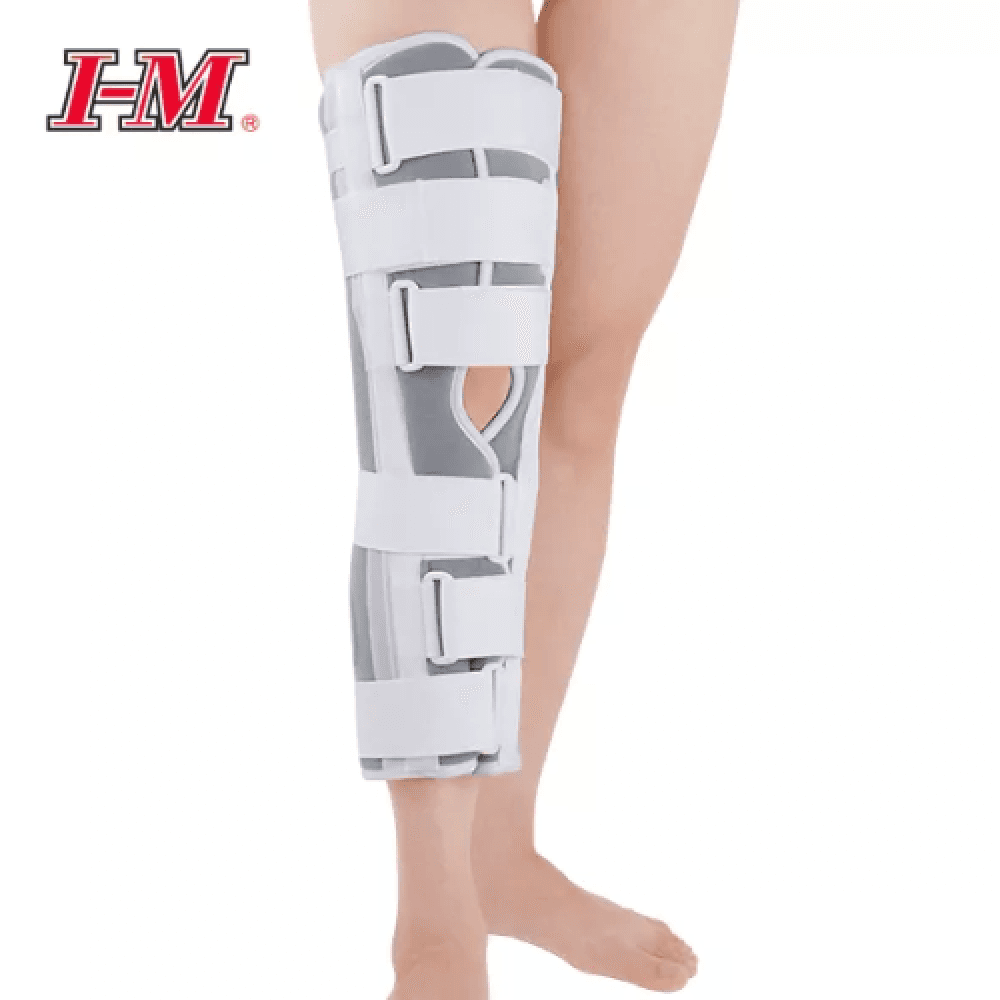
The E-KN851 is a pediatric knee brace designed to provide structured support and help control knee range of motion in children. It combines compressive support for soft tissues with side hinges to enhance joint stability during recovery and daily activity.
What it is
A medical knee brace for children that integrates a compressive sleeve with lateral hinged supports (often polycentric) to deliver mechanical stabilization and guide flexion and extension while limiting harmful lateral or rotational movements.
Indications
- Mild to moderate ligament sprains, including ACL, PCL, MCL, and LCL, to help limit excessive varus/valgus and anteroposterior motion.
- Patellar dislocation or subluxation, to assist patellar stabilization and reduce recurrence.
- Chronic knee instability due to ligamentous laxity or joint structure issues.
- Postoperative protection after knee procedures such as ligament or meniscal repairs, with controlled motion during rehabilitation.
- Juvenile rheumatoid arthritis: in selected cases, may provide supportive comfort for an inflamed knee.
- Support during return to activity following injury for sports or daily movements.
Features
- Lateral hinged supports for controlled flexion and extension with restriction of detrimental lateral or rotational forces.
- Lightweight, breathable, flexible materials for comfort.
- Pediatric anatomical design for an appropriate fit and effective support without pressure points.
- Patella opening frequently included to reduce pressure on the patella and promote stability.
- Easy to put on and remove to simplify daily use.
- Durable construction suitable for regular wear and physical activity.
Guidance for use
- Clinical assessment: consult an orthopedic physician or physical therapist to confirm indication, fitting, and wear schedule.
- Sizing: measure knee circumference (above and below the patella, or at mid-patella) to select the correct size.
- Adjustment: apply snugly for support without impairing circulation; align hinges with the knee’s natural axis of motion.
- Monitoring: regularly check the skin under the brace for redness, irritation, or breakdown.
- Hygiene: follow the product’s cleaning instructions to maintain cleanliness.
- Adaptation and comfort: some children may need time to adjust; encourage consistent use as part of the care plan.
- Activity levels: follow medical guidance on permitted activities while wearing the brace.