Overview
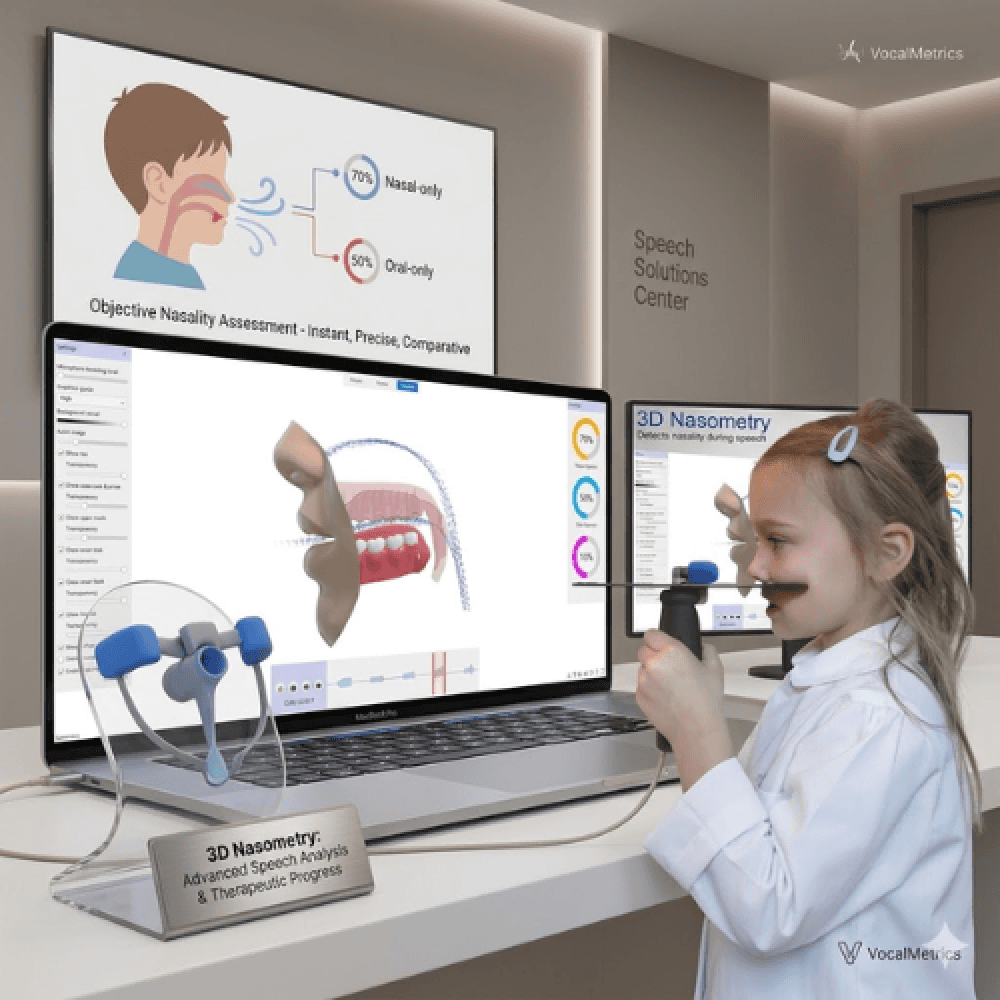
The Interactive Nasometer with Educational Games is used to quantify speech nasality during phonation and supports the diagnosis and therapy of speech disorders. It combines conventional acoustic nasalance measurement with 3D visual feedback to create a more interactive therapy tool. This concept has been presented in products by IC Speech and partners such as Rose Medical.
Key features
- High-precision analysis of nasalized speech to assess speech quality.
- Uses the nasalance ratio with advanced 3D visual feedback.
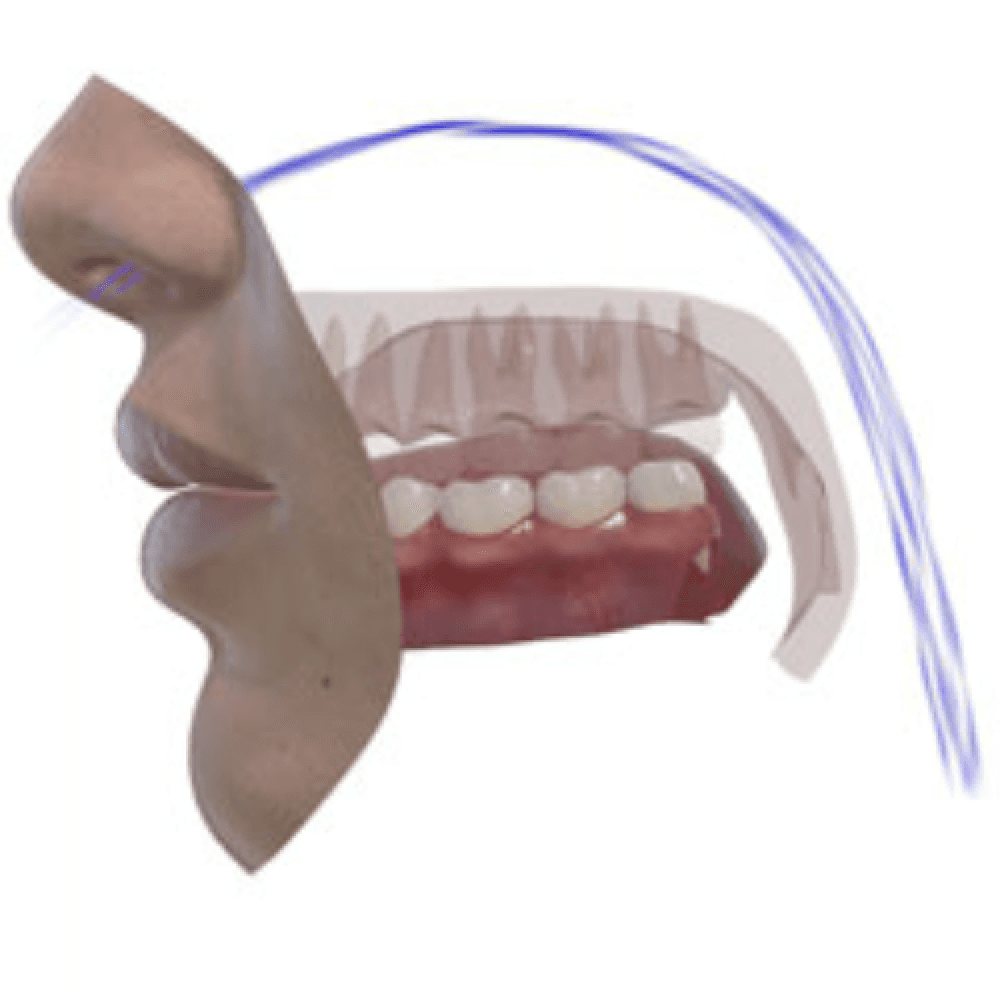
- Software displays an animated 3D approximation of velopharyngeal closure and airflow.
- Clearly distinguishes nasal airflow (soft palate lowered) versus oral airflow (soft palate raised).
- Interactive game system encourages patient engagement, particularly with children.
- Intuitive interface suitable for clinicians and speech-language pathologists.
- Save and track patient results to monitor therapeutic progress.
- Real-time graphing of nasalance during speech.
- 3D model can be rotated 360°, and structure transparency can be adjusted to reveal internal details, helping patients and clinicians understand the relationship between articulation and velopharyngeal function.
- Compatible with modern computers (Windows/Mac).
Clinical benefits
Enables speech-language specialists to:
- Measure nasalance accurately.
- Visualize how a patient’s speech production affects velopharyngeal closure using realistic 3D models.
- Conduct therapy within an interactive gaming environment that provides immediate, motivating feedback.
Use
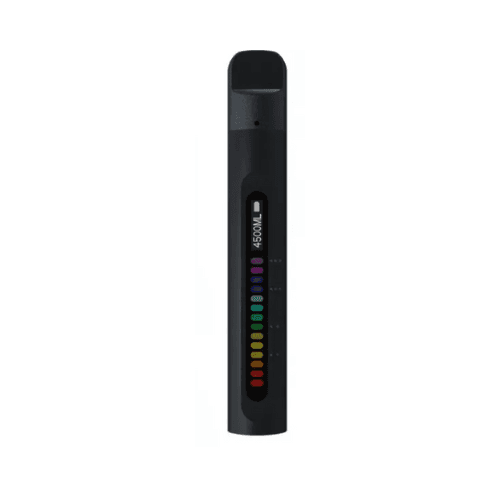
- The base device (e.g., a nasality microphone such as the IC Speech Nasality Microphone) measures nasalance—the ratio of nasal acoustic energy to total energy (nasal + oral)—providing an objective assessment of nasality.
- The package includes software such as icSpeech Professional Edition with six interactive games controlled directly by the patient’s acoustic parameters, including nasalance.
- Patients maintain nasalance within therapist-defined target ranges to advance in the game or earn rewards.
- The approach turns complex therapeutic exercises into engaging activities to increase participation and support therapy goals.