Overview
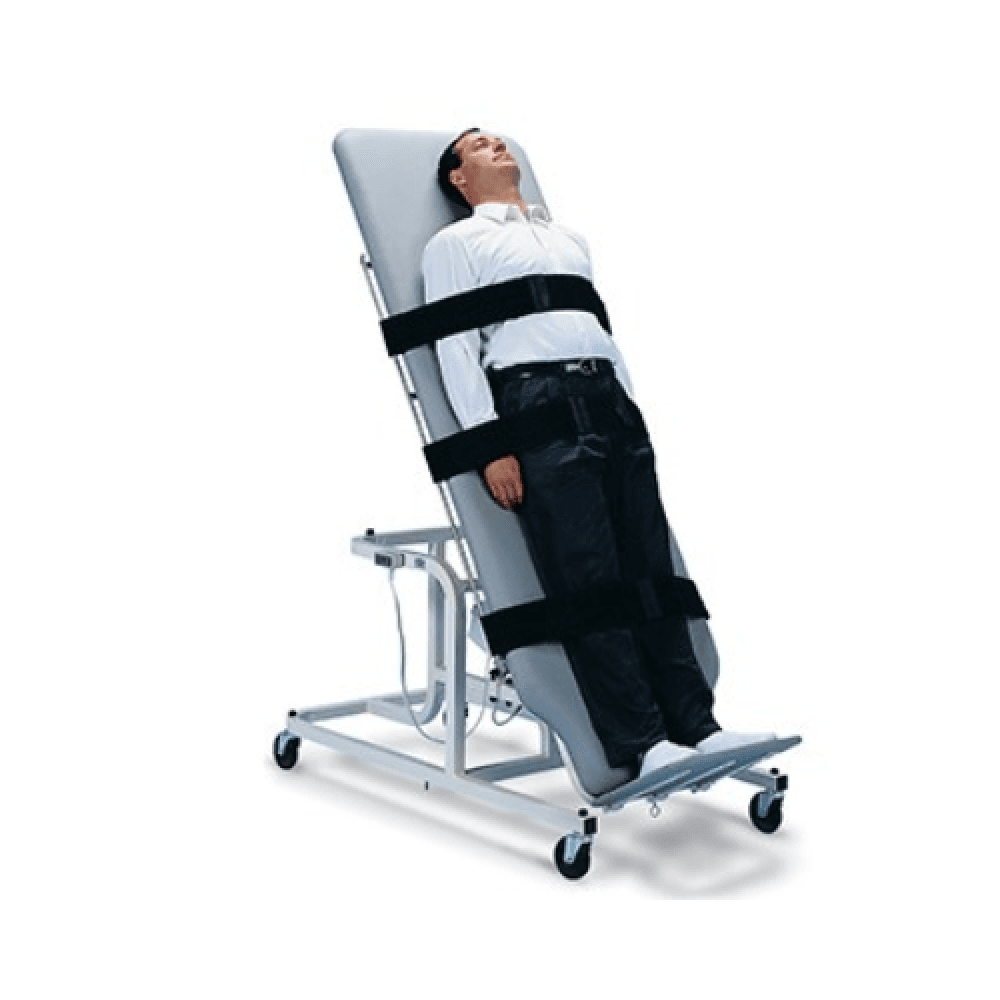
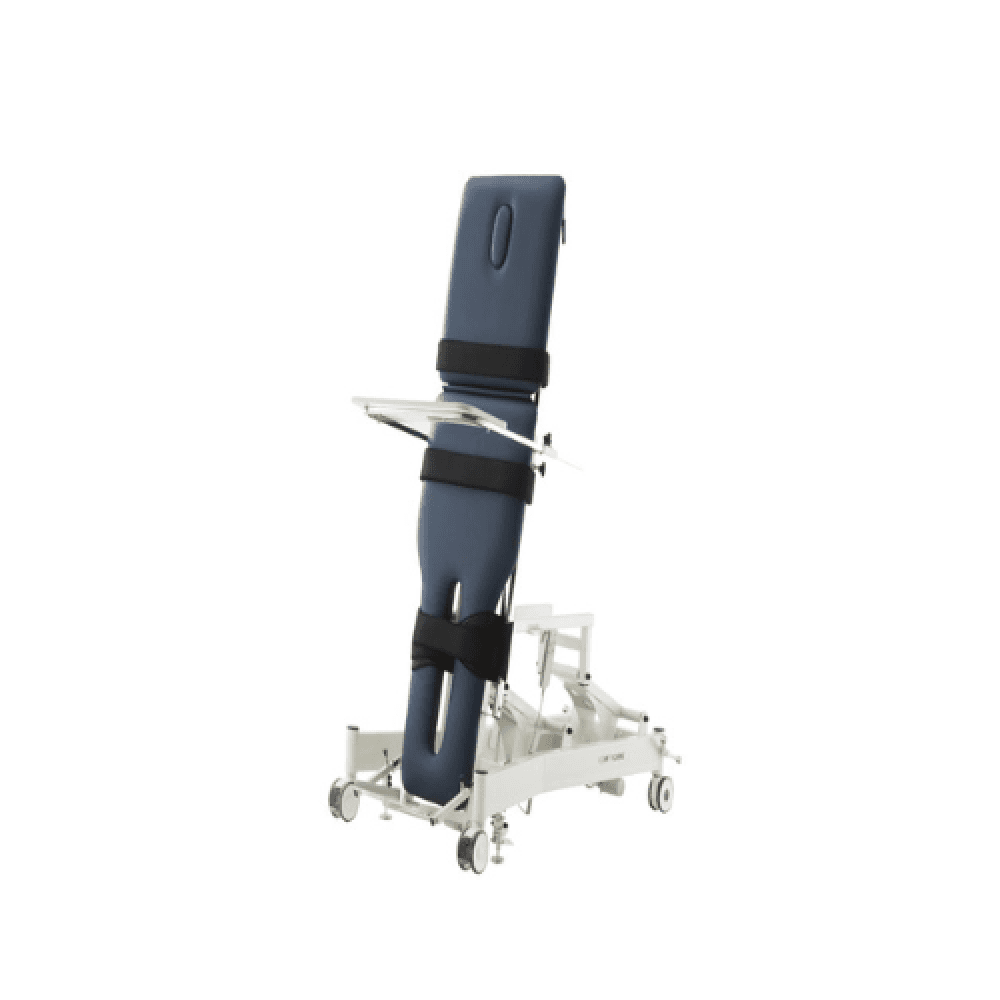
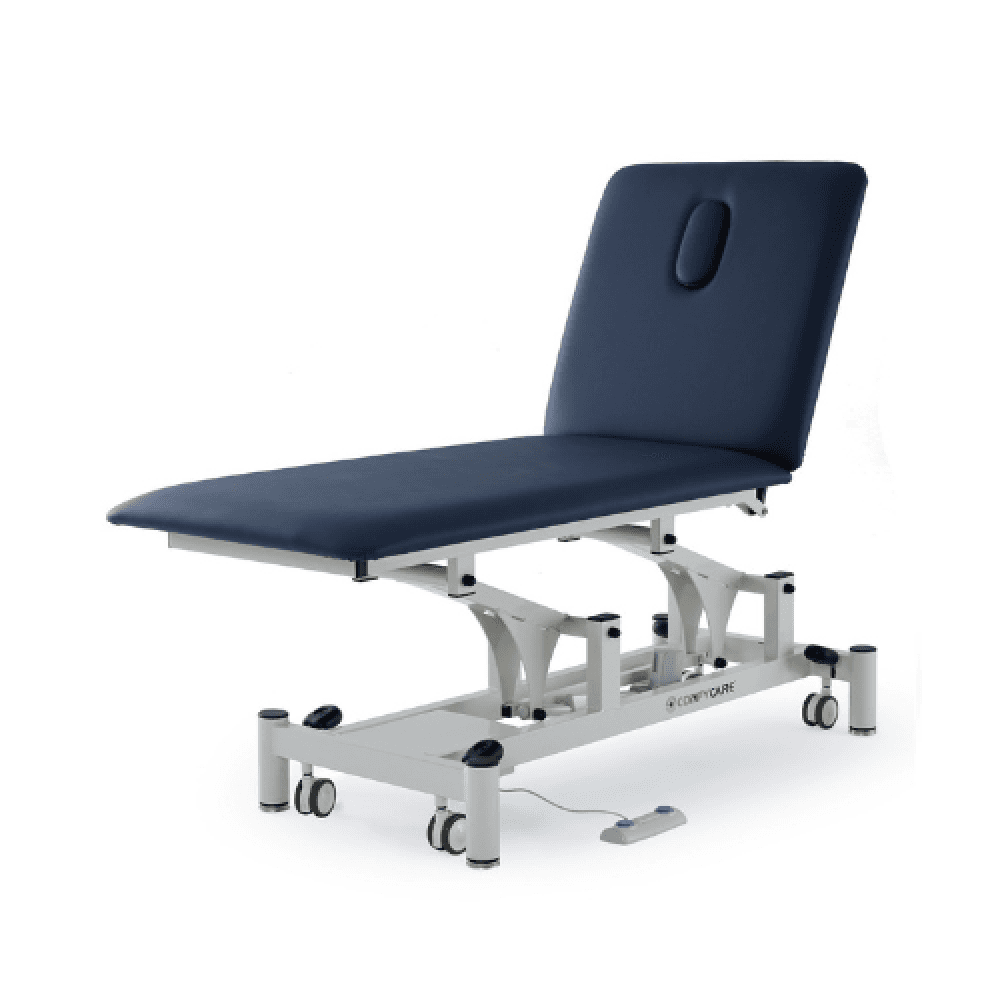
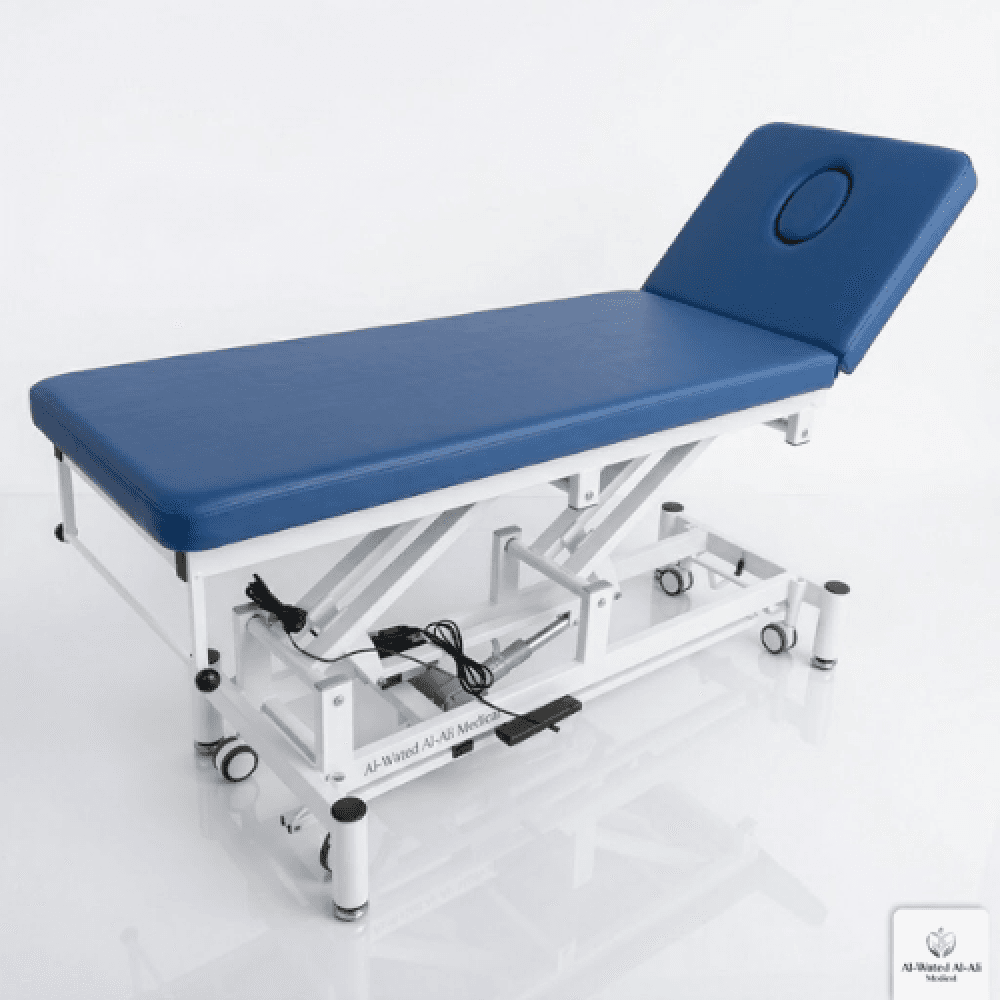
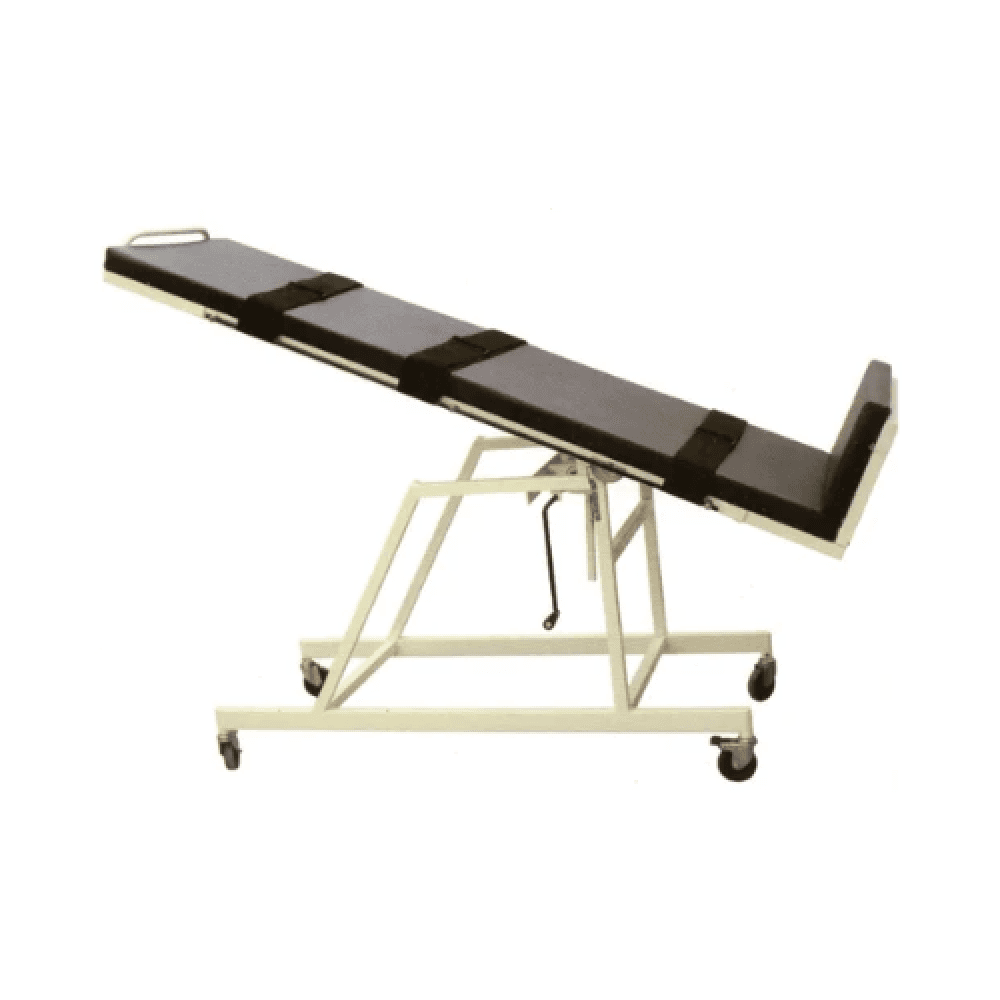
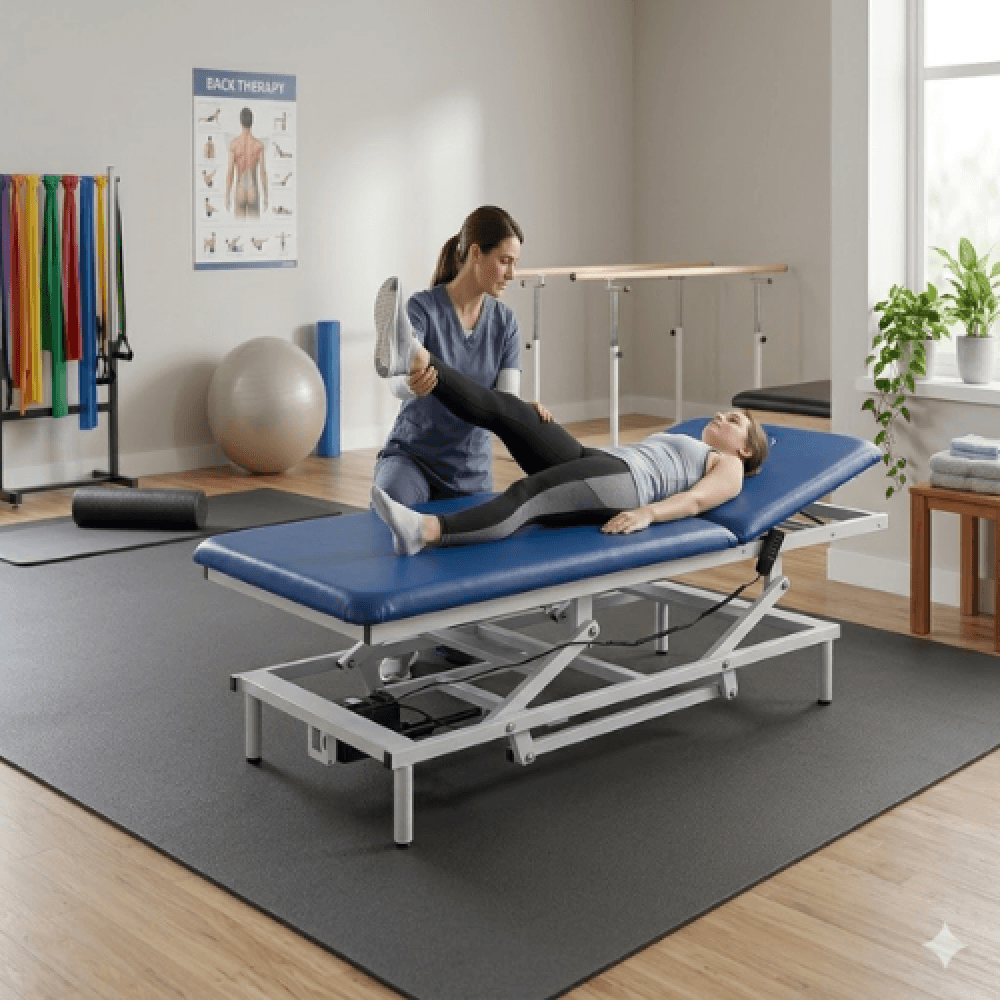
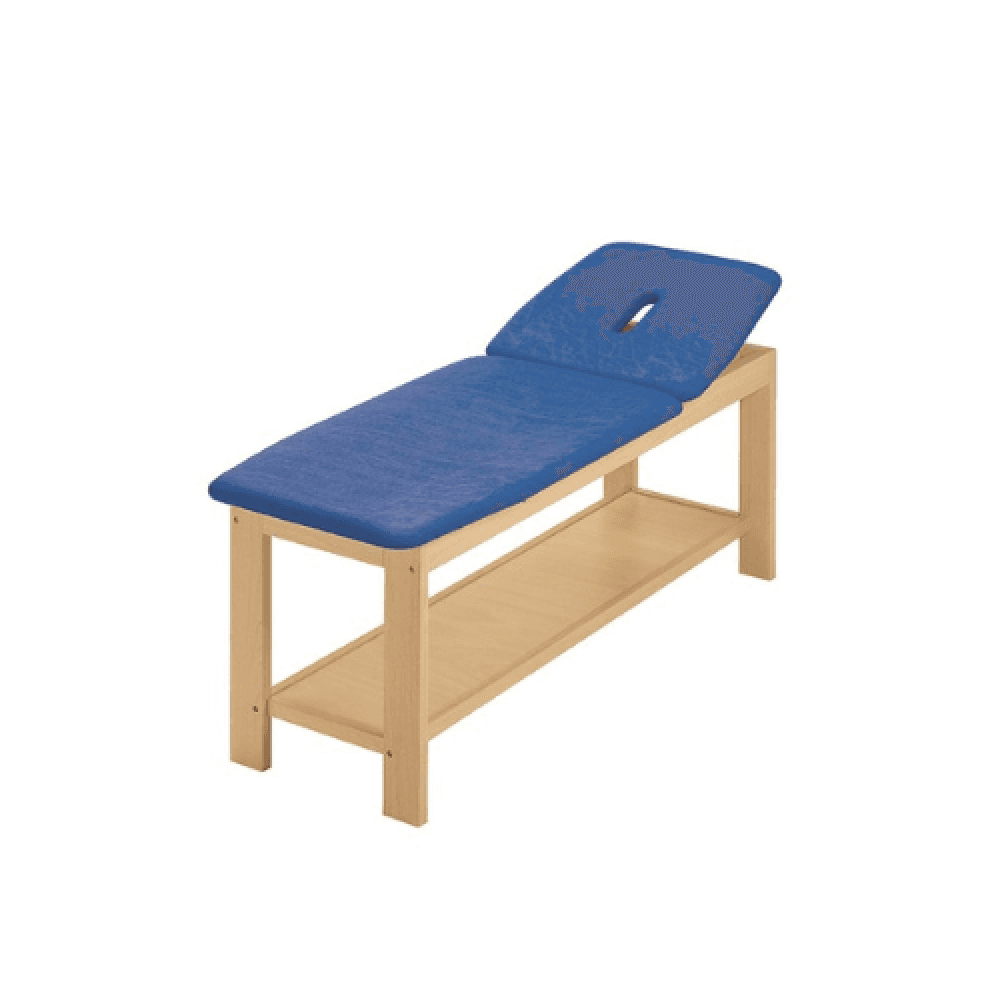
The Electric Tilt Table is a rehabilitation device used in physical therapy to assist patients with mobility or standing difficulties. It provides a progressive and secure standing experience to support therapeutic goals.
Key Features
- Circulatory support: may help improve circulation in patients who spend extended periods supine, which can help reduce the risk of thrombotic events.
- Muscle conditioning: contributes to strengthening of the legs and trunk, supporting the recovery of standing and gait.
- Balance training: helps improve postural balance and reduce fall risk, particularly in older adults.
- Neurological rehabilitation: used with patients who have nervous system injuries, such as after stroke, to help regain some motor function.
- Pain management: may help alleviate back and joint discomfort in some patients.
- Secure standing: provides a controlled, safe standing experience for patients who cannot stand independently, supporting confidence during therapy.
Applications
- Cerebral palsy
- Spinal cord injuries
- Stroke
- Head injuries
- Bone fractures
- General weakness
- Older adults with balance problems
How It Is Used
Typically operated under the supervision of a physiotherapist. The patient is safely secured, and the table is gradually tilted toward an upright position while the patient is closely monitored for any complications.
Contraindications
- Pregnancy
- Uncontrolled hypertension
- Heart disease
- Certain types of fractures
Professional Note
Patients who may benefit from an electric tilt table should be evaluated by a physiotherapist to determine suitability.
Origin