Loading…
SKU: AW-140652130
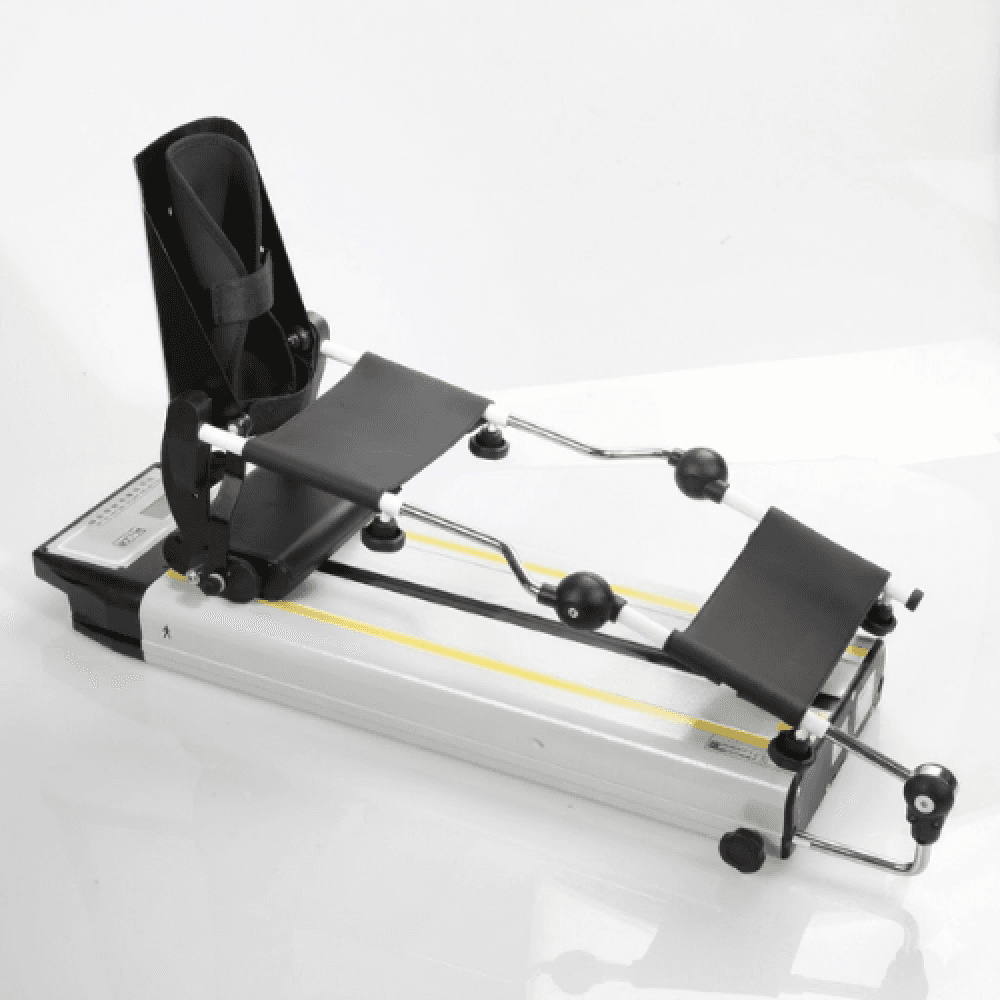
BTL-CPMOTION is a Continuous Passive Motion (CPM) system for lower-limb rehabilitation. It delivers automated, repetitive joint movement within…
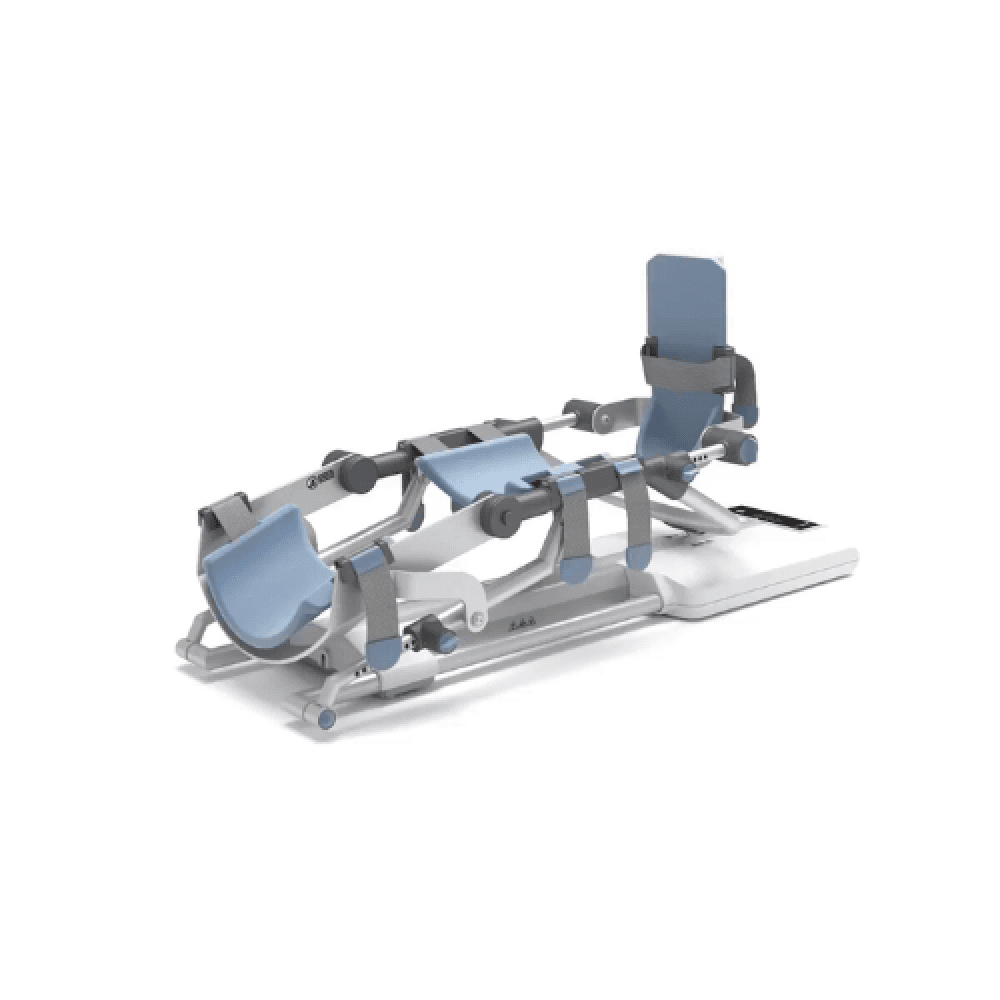
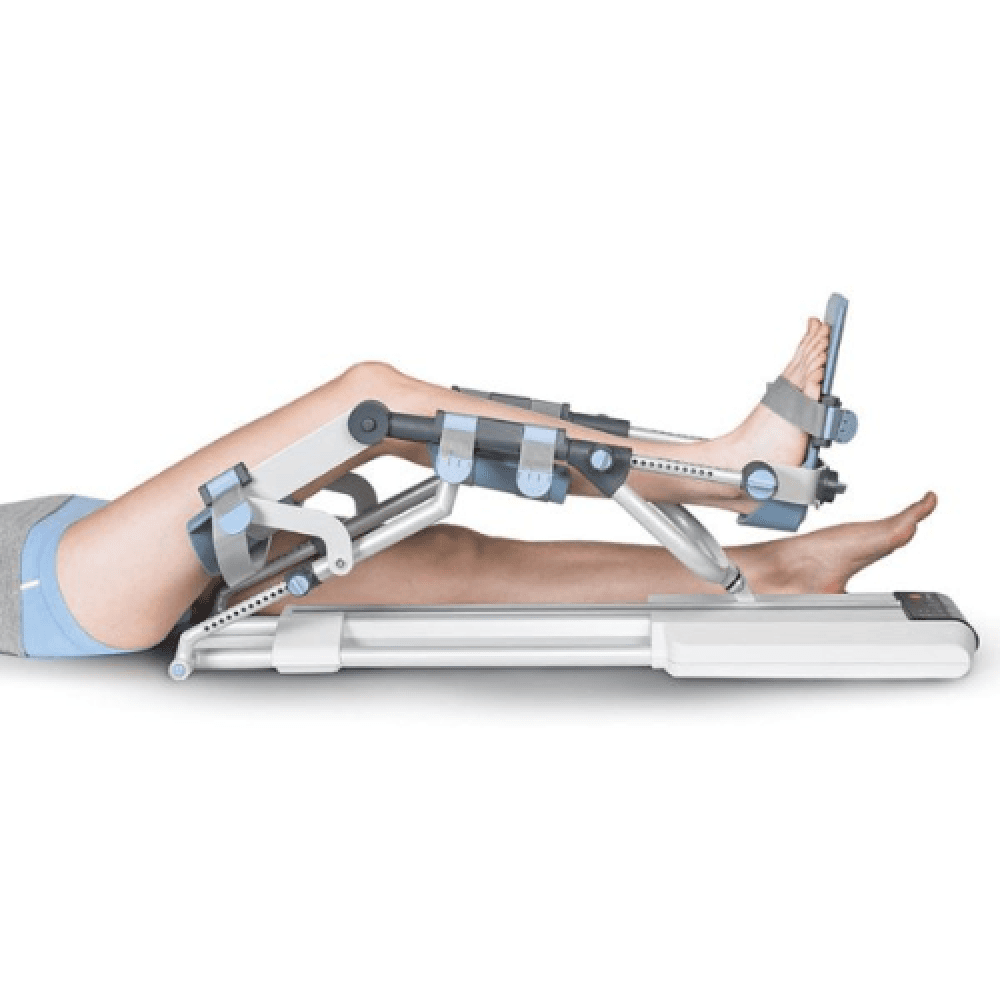
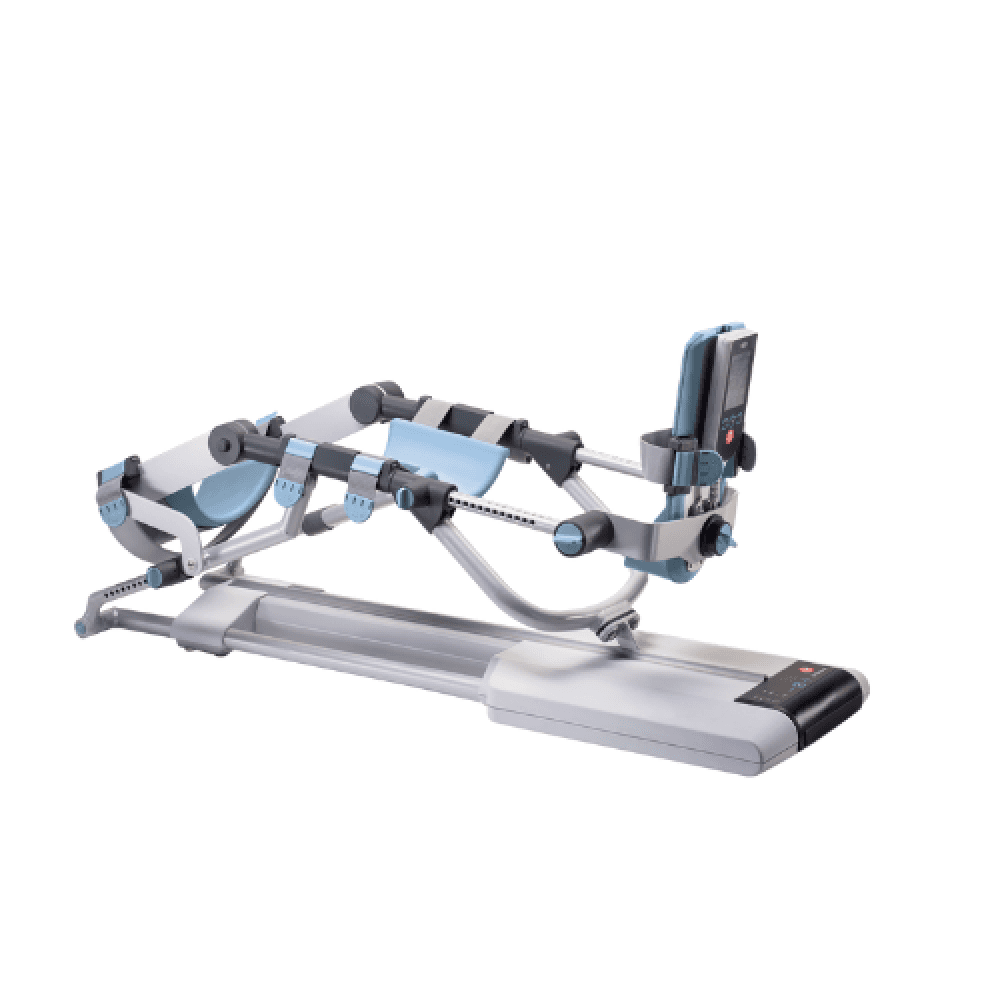
BTL-CPMOTION is a Continuous Passive Motion (CPM) system for lower-limb rehabilitation. It delivers automated, repetitive joint movement within clinician-defined ranges, supporting early phases of recovery after selected surgeries or injuries affecting the knee or hip.
Continuous Passive Motion provides machine-driven, repetitive movement of a joint through a preset range while the patient remains relaxed. It is used as part of rehabilitation programs, particularly in the early post-operative period, according to the plan set by the treating professional.
BTL-CPMOTION for the knee provides controlled, repeated motion. In K Pro and K Elite models, the specified knee range of motion is from -10° to 123°, with a maximum movement speed of up to 380° per minute, as specified for those models. Advanced versions allow in-session adjustment of movement settings.
The device can be incorporated into lower-limb rehabilitation programs after hip replacement as well as after knee procedures. With a dedicated ankle unit (standard on K Elite and optional on some other versions), the system can address hip, knee, and ankle joints, depending on model and configuration.
Selected versions are supplied with a touch-screen remote (K Pro and K Elite), while K Easy includes a START/STOP controller. Advanced models offer preset therapeutic programs and the ability to create user-defined programs. Some materials specify 13 automatic preset protocols and up to 50 user-defined protocols on certain versions; features vary by model and should be confirmed for the specific configuration.
Use is determined by the clinician as part of a structured protocol. Indications described include use after knee or hip replacement, arthroscopy, arthrotomy, ligament reconstruction, and selected surgically treated fractures. Timing, session duration, and movement range are individualized and not uniform across patients.
CPM may be included early after certain knee surgeries as directed by the care team. It is not a substitute for active physiotherapy, and outcomes vary by case. Recent evidence indicates that adding CPM to physiotherapy after knee replacement does not necessarily improve range of motion or patient satisfaction compared with physiotherapy alone.
Important: Specifications such as movement range, programs, ankle unit, and accessories differ by model; verify the exact configuration before purchase.
Suitability for home use depends on the patient’s condition, the prescribed plan, and the model. The device is portable; any home use should follow the manufacturer’s instructions and the clinician’s guidance.
CPM provides passive, machine-driven movement. Conventional physiotherapy includes active exercises performed by the patient, resistance training, balance work, and functional training. CPM is an adjunct within a comprehensive rehabilitation plan, not a complete replacement for active therapy.